The Human Bone Marrows
As we all know Bones serves many important functions in our body. They supports our body allowing us to move. They also play an important role in blood production and fat storing. We often hears about bone marrow especially when we know a thalassemia major. So what could be the human bone marrows.
What is bone marrow and how is it important
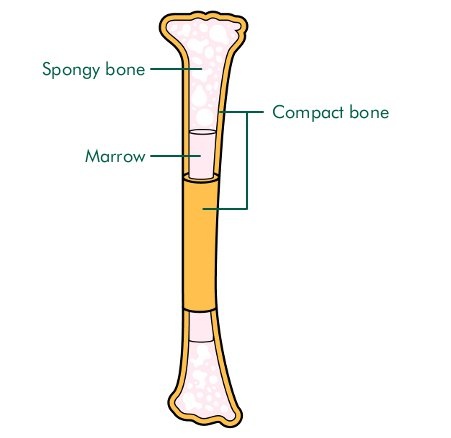
Bone marrow is the spongy or viscous tissues that is filled inside of every bone. There are two types of bone marrows, red and yellow. While Red bone marrows helps to produce blood cells, Yellow bone marrows helps in restoring fats.
Red bone marrow
Red bone marrow is involved in blood production which is also known as hematopoiesis. Hematopoietic stem cells that are found in bone marrow can develop into different blood cells. Including red blood cells, white blood cells and platelets.
We know that Red blood cells carry oxygen to different parts of the body. Old red blood cells are broken in the red bone marrow but this task in mostly perform in the liver and spleen.
Platelets help blood to clot when there is a cut in the tissues, preventing uncontrolled bleeding. White blood cells help your body to fight off infections.
As we age, our red bone marrow is gradually replaced with white bone marrow. Thus by adulthood red bone marrow can be found in only some bones.
Yellow bone marrow
It involves in the storage of fats. The fats in yellow bone marrow are stored in cells called adipocytes. This fat can be used as energy source when needed. Yellow bone marrow also contains mesenchymal stem cells. These are cells that can develop in to bone, fat, cartilage and muscles cells. Yellow bone marrow starts to replace red bone marrow over time. Thus most bones in adult body contains yellow bone marrow.
Importance of bone marrow
Bone marrow is crucial in producing blood cells. Therefore a range of blood related issues involve bone marrow. This causes the conditions to share many common symptoms. Including fever, fatigue, shortness of breath, increased infection and easy bleeding and bruising.


Muggle friendly
Related Posts


About The Author
faairasha
Muggle friendly
